
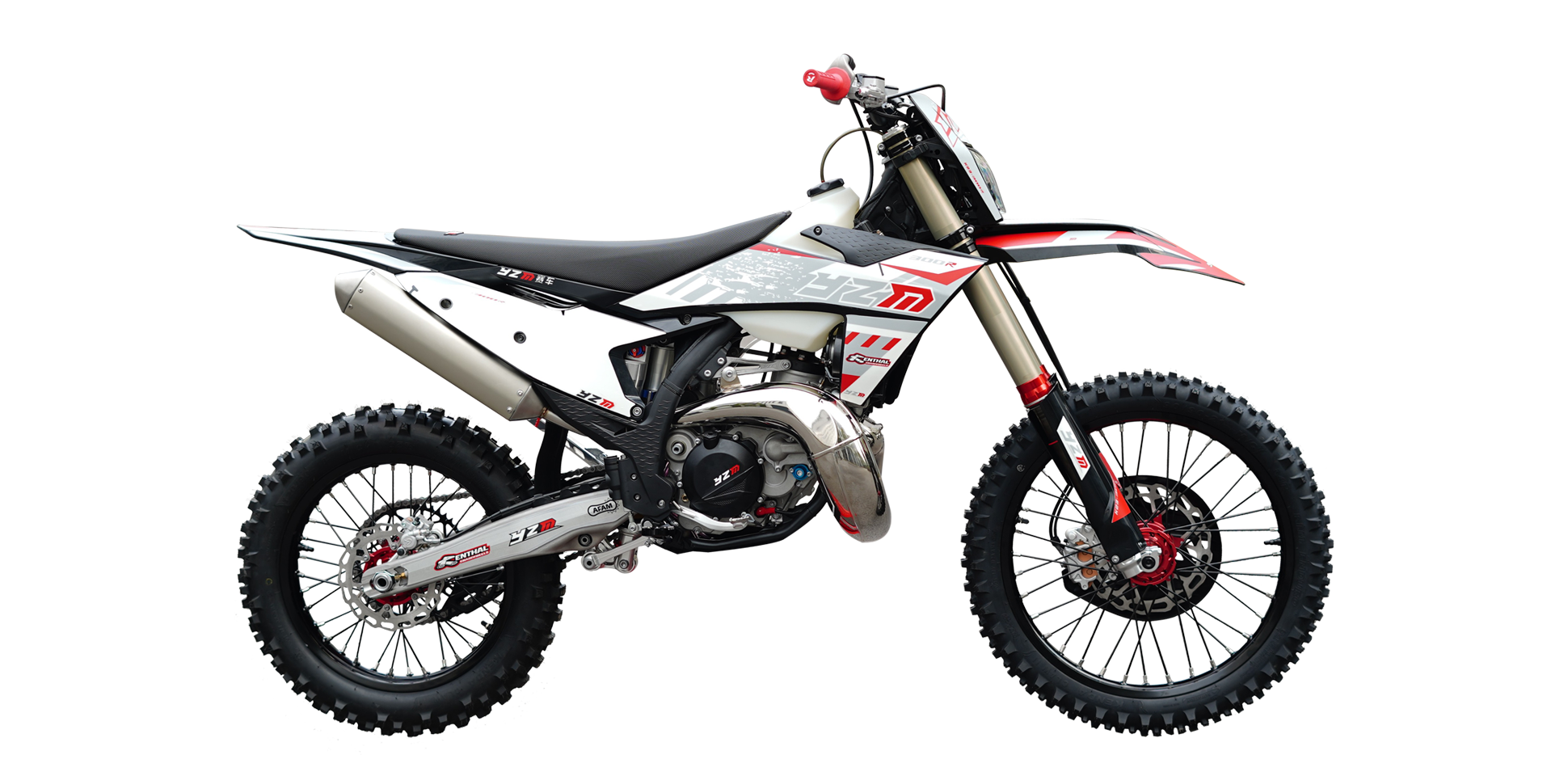

Detailed introduction:
The rear fork, often made from aluminum, plays a crucial role in the overall performance and durability of a bicycle. This component connects the rear wheel to the frame, providing stability and support while allowing for the smooth transfer of power from the rider to the road. Aluminum is favored for its lightweight nature, making it an ideal choice for performance-oriented cyclists who seek to minimize weight without sacrificing strength. The use of aluminum also allows for innovative designs, including various shapes and tubing profiles that can enhance aerodynamics and responsiveness. Additionally, advancements in aluminum alloy technology have led to improvements in fatigue resistance and corrosion resistance, ensuring that the rear fork can withstand the rigors of diverse riding conditions. Furthermore, the rear fork can influence the bike's handling characteristics; a well-designed fork can improve cornering stability and ride comfort, while a poorly designed one may lead to a harsh or unstable ride. As cycling continues to evolve, the rear fork remains a key area of innovation, with manufacturers constantly experimenting with new materials and designs to enhance performance and rider experience. Ultimately, the rear fork is not just a structural component; it embodies the intersection of engineering, technology, and the passion for cycling, making it an essential element for any serious cyclist looking to elevate their ride.
Products
--

YZ300XX-B boasts a lightweight frame that enhances maneuverability

M19 YBS300 Road Version is Coming
M19 YBS300 Road Version is Coming
Please leave your message
Please tell us your needs and we will get in touch with you as soon as possible!
Note: The content with * is required, thank you!
WhatsApp / Wechat:
E-mail:
Address:
No.101,Building 2-1,Building 2-1,Liandong U Valley-Chongqing Qingfeng International Enterprise Port,No.30 Fengji Road,Fenghuang Town,Shapingba District,Chongqing,China.





Mobile website
