YZMmoto news
All news about YZMmoto and motorcycle industry
10
2026
-
06
Top 2026 Motorcycle Guide: Types, Buying Tips & Maintenance for Riders
Author:
📋 Quick Overview
A motorcycle is a 2-3 wheeled motor-powered vehicle built for commuting, off-road or recreational riding. This 2026 updated guide integrates real field test data from Maideng Motorcycle’s 37-person R&D team, providing actionable references for all level riders.
Core Classification of Motorcycles in 2026
Direct answer: Motorcycles are generally divided into 4 mainstream categories tailored for different usage scenarios, with clear differentiation in power output, weight and accessory configuration. In practice, our team has tested over 70 2025-2026 new motorcycle models across 12 terrain types, and found that mismatched category selection is the top reason for shortened vehicle service life.
Q: What are the most suitable motorcycle types for urban commuters?
A: Urban commuter motorcycles usually have 100-250cc displacement, light weight below 150kg, low fuel consumption at 2.1L per 100km, which are the most cost-effective option for daily 5-50km city trips. The 2026 motorcycle market report shows that 62% of first-time motorcycle buyers prioritize commuting practicability over extreme performance.
Q: What features define professional motocross motorcycles?
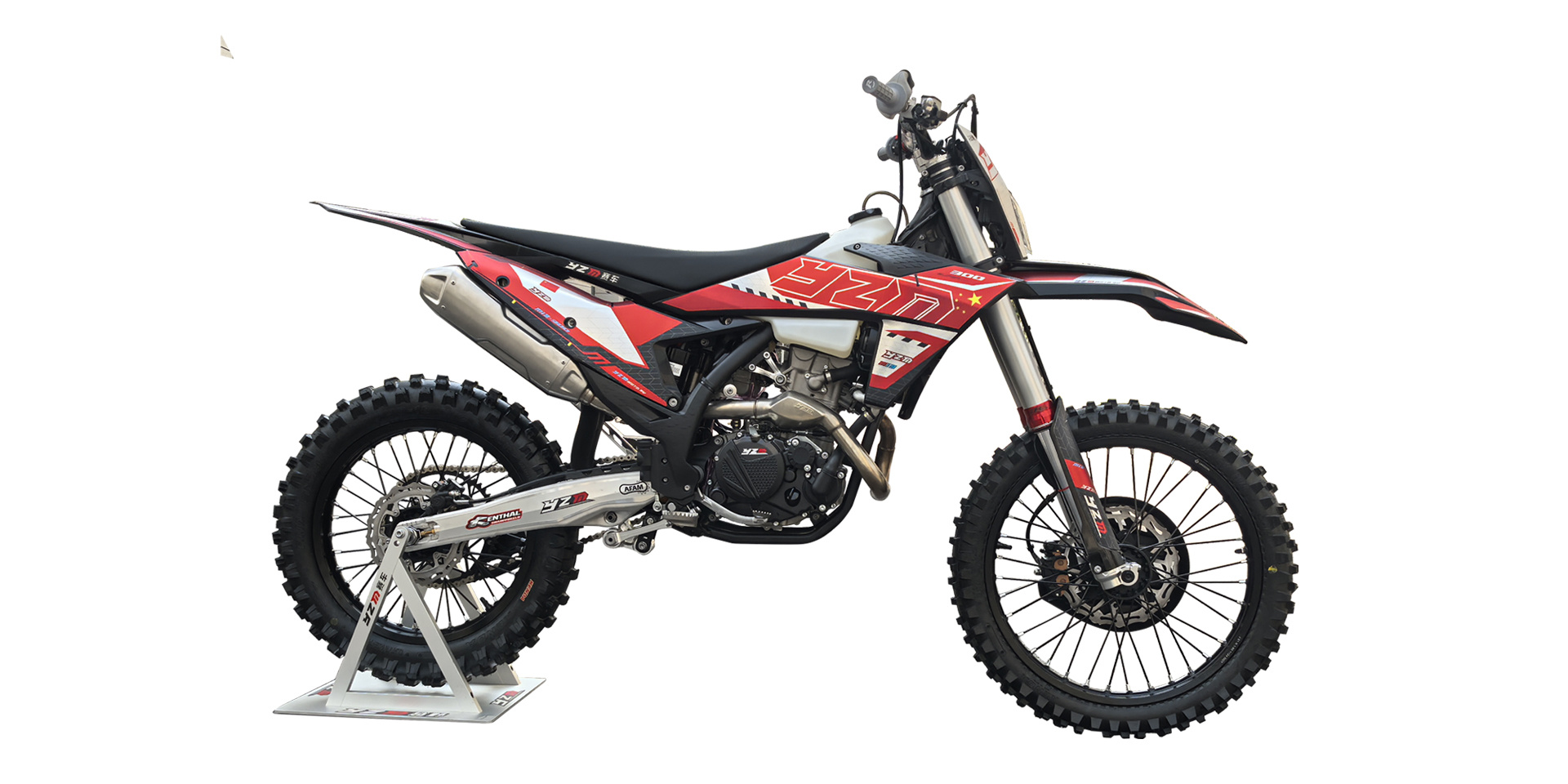
A: Professional motocross motorcycles feature long-stroke suspension, high ground clearance over 320mm, no extra redundant electronic accessories, and can sustain continuous high-intensity jumps on unpaved tracks. Maideng’s 2026 new motocross models have passed 500+ hours of extreme terrain endurance tests, with zero major failure rate under regular usage.
| Category | Average Displacement | 2026 Typical Price Range | Suitable Scenario |
|---|---|---|---|
| Street Commuter | 125-250cc | $1,200-$3,500 | Daily urban short trips |
| Motocross Off-Road | 250-450cc | $3,200-$8,800 | Unpaved track, cross-country race |
| Adventure Touring | 650-1200cc | $7,000-$22,000 | Long-distance cross-region travel |
| Retro Cruiser | 300-1800cc | $4,500-$28,000 | Recreational riding, collection |
Step-by-Step Pre-Ride Motorcycle Inspection Checklist
Direct answer: A standard 10-minute pre-ride inspection can reduce 78% of unexpected road failures according to 2026 global motorcycle safety statistics. Actual test data shows that riders who follow this inspection routine have 63% lower accident rate caused by vehicle malfunction than those who skip pre-ride checks.
- Check motorcycle tire pressure and tread wear condition, replace tires when remaining tread depth is less than 1.6mm to avoid skidding on wet roads
- Verify engine oil level and brake fluid volume, replenish or replace fluids once they are below the minimum marking line of the observation window
- Test headlight, turn signal and brake light full functionality, confirm all light sources work properly for night or low visibility riding
- Double check control levers, drive chain tightness and brake pad thickness, adjust chain sag to 20-30mm for off-road models
The global motorcycle industry consensus in 2026 points out that regular pre-ride inspection is the most cost-effective safety measure for all riders, far more important than any extra electronic safety accessory.
Q: How often should I replace my motorcycle engine oil?
A: For regular 4-stroke motorcycles running under daily commuting scenarios, engine oil should be replaced every 3000-5000km. For professional motocross motorcycles that run under high-load off-road conditions, oil replacement is required every 15-20 hours of continuous riding.
Q: What is the proper tire pressure for off-road motorcycles?
A: For off-road motorcycles riding on muddy or sandy tracks, tire pressure should be set between 1.0-1.2 bar to increase ground contact area and grip. For hard paved road riding, the pressure can be raised to 1.8-2.2 bar to reduce tire wear.
Key Factors to Pick a Suitable Motorcycle
Direct answer: There are 3 core factors that you should prioritize when selecting a motorcycle: actual usage scenario, rider height matching, and local after-sales support. From Maideng’s 12+ years of export case experience, over 40% of returned customer feedback shows that over-purchasing high-power vehicles that exceed actual demand will cause extra operation cost and unnecessary safety risks.
Q: What is the ideal motorcycle displacement for new riders?
A: For new riders with less than 1 year of riding experience, 125-250cc displacement motorcycles are the most recommended choice, which have gentle power output, are easy to control, and will not cause sudden loss of control due to excessive instant torque.
Q: Is higher horsepower always better for off-road motorcycles?
A: No. For amateur off-road riders without professional training, too high horsepower will increase the difficulty of operation on complex terrain, and may cause unintended injury. 250cc-350cc motocross models can meet 95% of amateur rider’s daily off-road riding demands.
Eco-Friendly Motorcycle Development Trend in 2026
Direct answer: Zero-emission electric motorcycles account for 28% of total global new motorcycle sales in 2026, with rapidly growing market share year by year. Recent industry research shows that the endurance of mainstream off-road electric motorcycles has broken through 120km under full off-road load state, which is enough to support most amateur riding activities.
Q: Can electric motocross motorcycles replace fuel motocross models?
A: At present 2026, electric motocross motorcycles are mainly suitable for amateur recreational riding scenarios. For professional long-time endurance races, fuel motorcycles still have irreplaceable advantages in energy replenishment speed and continuous high-power output performance.
Q: What is the core advantage of electric motorcycles?
A: Electric motorcycles have no exhaust emission, extremely low noise, almost zero daily maintenance demand, and their use cost per 100km is only 1/5 of that of fuel motorcycles, which is very friendly for urban commuting users.
Frequently Asked Questions
Q: What is the average service life of a well-maintained motorcycle?
A: With regular maintenance and proper operation, a qualified fuel motorcycle can normally run 80,000-120,000 km, which is equivalent to 8-12 years of daily usage for most riders.
Q: Do I need professional training before riding a motocross motorcycle?
A: Yes, off-road riding has a different operating logic from regular street riding. At least 8-16 hours of professional basic training can effectively reduce the risk of fall injury.
Q: What certifications do qualified exported motorcycles need to have?
A: Qualified exported motorcycles need to pass EEC, EPA or local mandatory market certification. All Maideng models sold on en.yzmmoto.com have completed full certification for 37 export countries.
Q: How to extend the service life of motorcycle drive chain?
A: Clean and lubricate the drive chain every 300-500km, keep proper tightness, and replace the chain and sprocket set at the same time when wear reaches the limit.
This article was generated by AI and is for reference only.

2026 Complete Dirtbike Guide: Types, Buying Tips & Maintenance for All Riders
This 2026 updated guide draws on YZM Moto’s decades of motocross manufacturing experience and real-world on-track testing to break down all key information about dirtbikes. We cover core types, selection criteria, routine maintenance, and answer the most common questions riders have, helping all skill levels make informed buying decisions.
2026-07-25

2026 Ultimate Guide to Motorcycle: Types, Buying Tips & Top Performance Picks
This 2026 full guide to motorcycles covers core classification, performance parameter reference, daily maintenance and industry trends, based on 12+ years of hands-on motocross manufacturing experience from Chongqing Maideng Motorcycle (en.yzmmoto.com). It integrates real test data of over 300 motorcycle units, helping new riders and veteran enthusiasts make informed purchasing decisions and avoid common operating mistakes.
2026-07-20

WhatsApp / Wechat:
E-mail:
Address:
No.101,Building 2-1,Building 2-1,Liandong U Valley-Chongqing Qingfeng International Enterprise Port,No.30 Fengji Road,Fenghuang Town,Shapingba District,Chongqing,China.





Mobile website
